
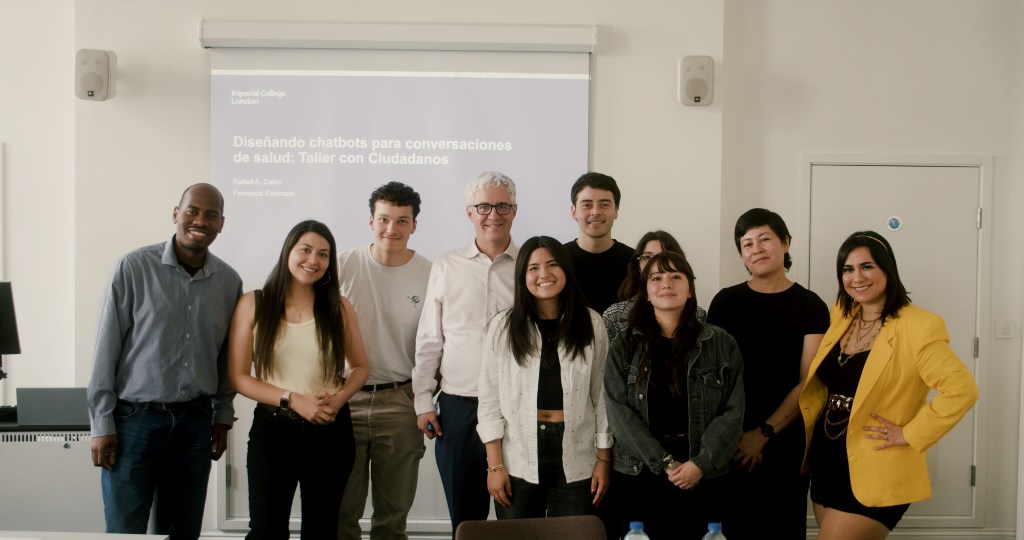
Our research team from Imperial College London and Universidad Nacional de Córdoba in Argentina has recently launched CALMS – Culturally Appropriate Language Models and Systems for healthcare in Latin America. Over the last month, we have been working in Argentina, Peru, and the UK, conducting the first workshops in collaboration with healthcare professionals and citizens. These initial activities have gathered insights into addressing unintended negative consequences of implementing Western-centric technology in healthcare in the majority world and finding ways to spread the benefits.
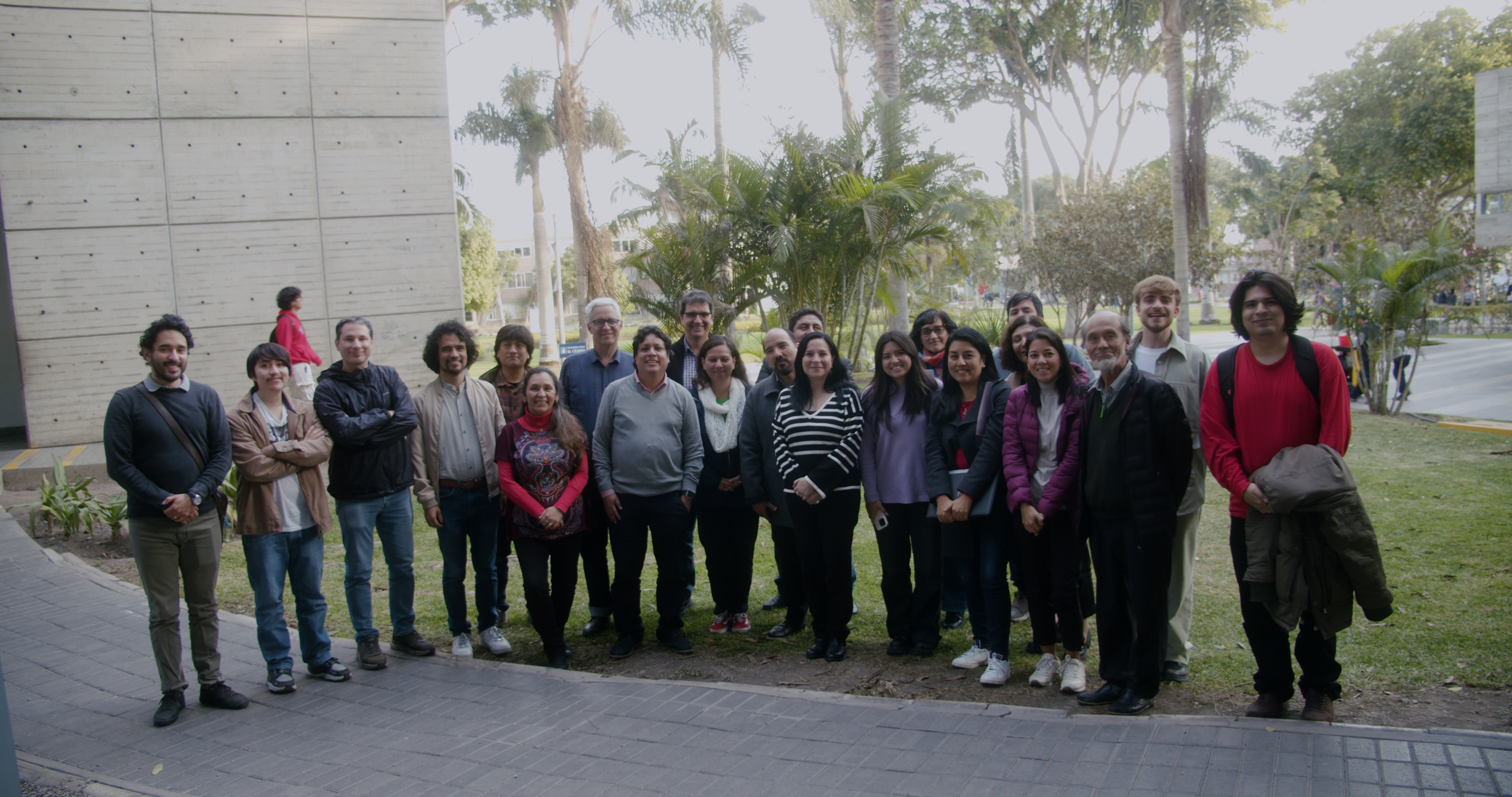
The CALMS team in Lima with the participants
AI research and development disproportionately benefit the Global North. There are objects, ideas, and aspects of lived experience entirely absent in LLM training data. Moreover, generalised approaches to values alignment are based on the cultures and incentive structures most relevant to those creating the technologies. These dataset gaps and value misalignments can make AI models a poor fit for use cases and communities across the rest of the world. For instance, if AI technologies do not support value priorities like group decision-making or inter-relational responsibility, or if physical circumstances, local philosophies, or ways of life are invisible to generative models, then cross-cultural implementation can result in inappropriate, unhelpful, harmful, controlling, imperialist, mistrusted, and/or rejected services.
However, given the lack of resources for health systems across many countries, the potential for improved access to health services at a lower cost via technology cannot be ignored. If cross-cultural issues can be addressed, the appropriate application of generative AI for health within low-resourced contexts could have an enormous impact.

The workshop in Villa el Salvador, Lima
CALMS aims to explore opportunities and address challenges of applying conversational AI to health contexts within Latin America. It emphasises the importance of contextually-informed and culturally-meaningful innovation driven by local needs. Our cross-country and cross-cultural team of AI researchers, developers, health researchers, and human-computer interaction designers is dedicated to working directly with stakeholders and communities to harness the benefits of AI for global health while pre-empting, mitigating, and monitoring any potential negative impacts.
In the last two months, we initiated phase one of CALMS by conducting eight day-long workshops and interviews. We engaged with diverse Latin American communities in Cordoba, Lima, Huancayo, London and Cardiff with the aim of collecting their insights on health conversations, understanding their expectations regarding generative conversational agents and understanding the potential impact of such technology in low-resourced settings. The sessions involved two stakeholder groups: non-professionals (“Ciudadanos”) and healthcare and technology professionals (“profesionales”). The workshops were led by native Latin American Imperial College London researchers (Calvo, Espinoza) and by another Imperial researcher with previous experience in co-designing in rural Peruvian communities (Da Re).

A prototype of a Healthcare Virtual Assistant used in the workshop activities
More information on the workshops’ structure and first insights will be shared in our next articles. If you’re interested in receiving updates on CALMS, participating, or learning more about it, feel free to contact us and follow our blog on calms.ai. We will be sharing our updates on LinkedIn, and we’ll also occasionally post updates within the new LinkedIn community of researchers and practitioners interested in human-computer interaction in Latin America: “Human Computer Interaction para Latino America”.
 AI
AI 
Leave a comment